
- “Stronger” can mean caffeine content or flavor intensity, and cold brew may be high in caffeine even if it tastes smooth.
- Cold brew’s long steeping process extracts more caffeine and lowers acidity, creating a smoother, less bitter drink.
- Caffeine comparison: Cold brew concentrate often has more total caffeine per serving than drip coffee or espresso, though espresso is higher per ounce.
- Flavor perception can be misleading: Cold brew tastes milder than hot coffee, even when physiologically stronger.
- Brewing variables affect strength: Coffee-to-water ratio, steep time, bean type, grind size, and dilution all influence caffeine and flavor.
- Serving size matters: Larger cold brew servings deliver more caffeine overall, making it feel stronger than espresso or drip coffee.
- Customization is key: Homemade cold brew allows control over strength, while store-bought versions are often milder; additives like milk or sugar affect perceived intensity but not caffeine.
Coffee lovers often debate which brew reigns supreme. Cold brew, in particular, has gained massive popularity in recent years. Its smooth flavor, lower acidity, and versatile preparation methods make it a favorite for many. But a question remains: is cold brew stronger than other types of coffee?
In this article, we’ll explore everything from caffeine content and flavor strength to brewing techniques and how cold brew compares with espresso, drip coffee, and more.
What Does “Stronger” Really Mean?
Before we dive into comparisons, it’s important to clarify what “stronger” means. Many people assume stronger coffee always means higher caffeine. In reality, strength can refer to two things:
- Caffeine content per serving – the actual stimulant effect
- Flavor intensity – boldness or richness of taste
Cold brew’s reputation often stems from both aspects, but they aren’t always equal. For example, cold brew might taste milder yet contain more caffeine than a hot drip coffee.
How Cold Brew Is Made
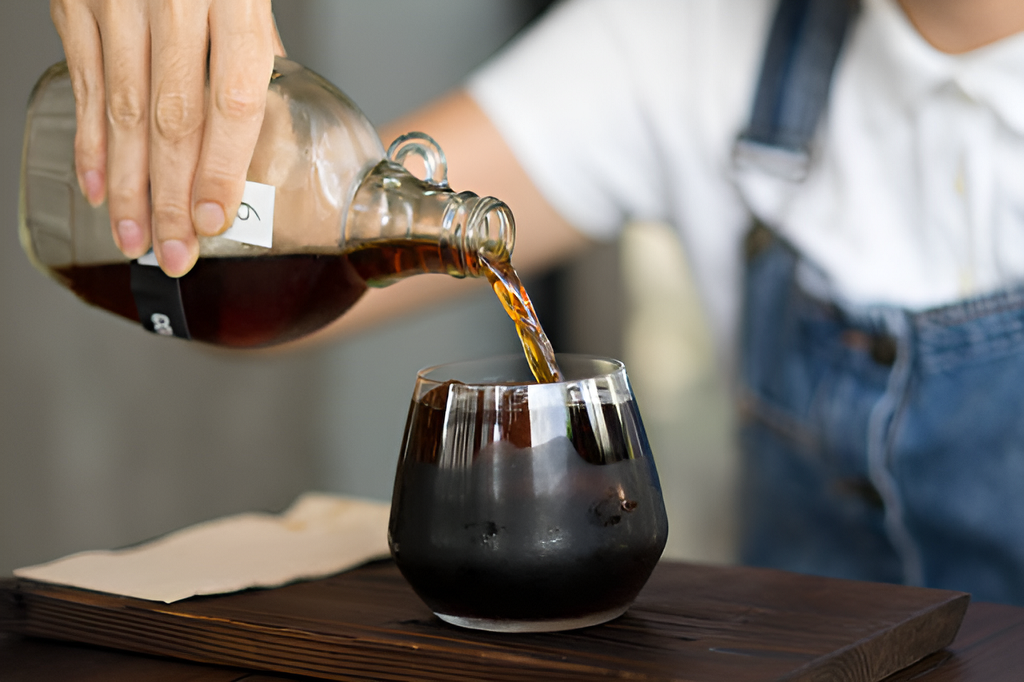
The brewing method plays a huge role in both flavor and caffeine. Cold brew is made by steeping coarsely ground coffee in cold water for 12 to 24 hours. The long, slow extraction process results in:
- Lower acidity compared to hot brewing
- Smoother, less bitter flavor
- A concentrated coffee liquid that can be diluted with water, milk, or cream
Because the coffee grounds sit in water for so long, more caffeine can be extracted, especially if the ratio of coffee to water is high.
Caffeine Content: Cold Brew vs Other Coffee Types
Many people equate coffee strength with caffeine content. Here’s a breakdown of typical caffeine per 8-ounce cup:
- Cold brew (ready to drink): 100–150 mg
- Cold brew concentrate (diluted): 200–300 mg
- Drip coffee: 95–165 mg
- Espresso (1 oz shot): 63 mg
- French press: 80–135 mg
- Instant coffee: 60–80 mg
From this, it’s clear that cold brew can be stronger in caffeine, particularly when served as a concentrate. However, per ounce, espresso is technically more concentrated in caffeine.
Does Cold Brew Taste Stronger Than Hot Coffee?
While caffeine is one factor, taste is another. Cold brew often tastes smoother and less acidic than hot coffee, which can lead to misconceptions:
- People often think a bold, bitter flavor means strong coffee
- Cold brew is less bitter, so it might taste weaker even if caffeine content is higher
- Flavor can be adjusted by steeping time, coffee-to-water ratio, and bean type
Ultimately, whether cold brew tastes stronger depends on personal preference and preparation.
How Does Cold Brew Compare to Drip Coffee?
Drip coffee is the most common type of brewed coffee. Let’s see how it stacks up against cold brew:
Caffeine:
- 8 oz drip: ~95–165 mg
- 8 oz cold brew: ~100–150 mg
Flavor:
- Drip: Bright, acidic, sometimes bitter
- Cold brew: Smooth, mellow, chocolatey or nutty notes
Strength Summary:
- Drip coffee can taste more intense, but cold brew often has more caffeine per comparable serving size, especially if concentrated.
Is Cold Brew Stronger Than Espresso?
Espresso is synonymous with “strong coffee,” but the comparison can be tricky:
Caffeine content:
- 1 oz espresso: ~63 mg
- 8 oz cold brew concentrate: 200–300 mg
Flavor:
- Espresso: Rich, bold, sometimes bitter
- Cold brew: Smooth, slightly sweet
Key takeaway: Espresso has higher caffeine per ounce, but cold brew delivers more caffeine in a standard serving size. For many, that’s why cold brew feels stronger over time.
Is Cold Brew Less Acidic? Does That Affect Strength?
Cold brew’s lower acidity is a defining feature. Here’s why it matters:
- Less acidic coffee is gentler on the stomach
- Flavor is smoother, often perceived as “weaker” even with high caffeine
- Ideal for people sensitive to acidity or acid reflux
So strength is nuanced: cold brew can be physiologically strong (caffeine) but organoleptically mild (taste).
How Brewing Variables Affect Strength
The caffeine and flavor of cold brew depend on several factors:
- Coffee-to-water ratio – More coffee means higher caffeine and richer flavor
- Steeping time – Longer steeping increases extraction
- Bean type – Robusta beans have higher caffeine than Arabica
- Grind size – Coarse grind prevents over-extraction, maintaining smooth flavor
- Dilution – Cold brew concentrate is stronger than the diluted version you drink
Tip: Experiment with ratios and steep times to find your ideal strength.
Comparing Serving Sizes: Does Size Affect Strength?
Cold brew is often served in larger cups than espresso. Consider:
- 1 oz espresso: ~63 mg
- 12 oz cold brew: ~150–225 mg
- 16 oz cold brew: ~200–300 mg
Even if per ounce espresso is more potent, your body absorbs more caffeine from a larger cold brew, making it feel stronger overall.
Does Milk or Sugar Affect Cold Brew Strength?
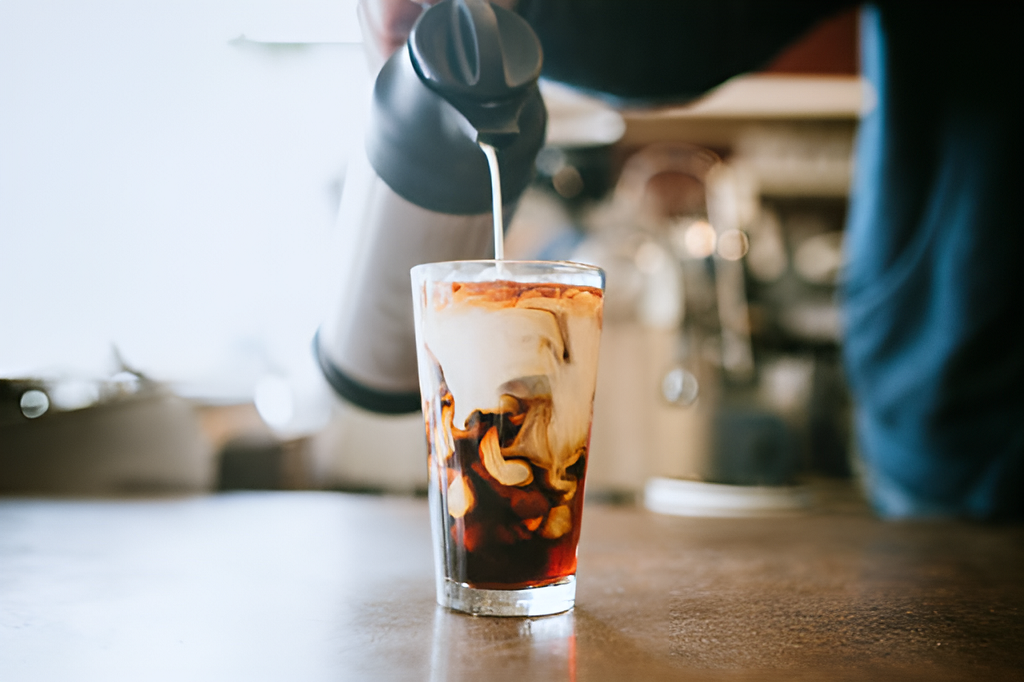
Adding milk or sugar won’t change caffeine content, but it can affect perceived strength:
- Milk and cream mellow flavor, making coffee taste less strong
- Sweeteners mask bitterness and acidity, also reducing the perception of intensity
For pure caffeine punch, drink black cold brew or lightly diluted concentrate.
Store-Bought vs Homemade Cold Brew: Which Is Stronger?
Convenience often comes with trade-offs:
Store-bought cold brew:
- Usually diluted for mass appeal
- Contains 100–150 mg per 8 oz
- Flavor is consistent but milder
Homemade cold brew:
- Adjustable coffee-to-water ratio
- Can yield 200–300 mg caffeine per 8 oz if concentrated
- Allows full control of flavor intensity
Homemade cold brew usually wins for strength and customization.
Common Misconceptions About Cold Brew Strength
Some myths about cold brew persist:
- “Cold brew is always stronger than coffee” – Not always; depends on brewing method and concentration
- “Strong flavor = strong coffee” – Cold brew can taste smooth while being higher in caffeine
- “Espresso is always the most caffeinated” – Espresso is concentrated per ounce, but cold brew delivers more caffeine per typical serving
Understanding these points helps you choose your ideal coffee without confusion.
How to Make Your Cold Brew Stronger
If you want a more potent cold brew, consider:
- Increasing the coffee-to-water ratio
- Extending steep time slightly (12–24 hours is typical)
- Using dark roast or Robusta beans
- Brewing concentrate and diluting just before drinking
- Storing in airtight containers to preserve flavor
Health Considerations of Strong Cold Brew
High caffeine can affect people differently:
- Can improve alertness and concentration
- May cause jitteriness, insomnia, or rapid heartbeat if overconsumed
- Less acidic than hot coffee, easier on digestion
Moderation is key, especially with concentrated servings.
Cold Brew vs Other Coffee Types: Quick Comparison Table
| Coffee Type | Caffeine per 8 oz | Flavor | Acidity | Typical Serving |
| Cold Brew (ready) | 100–150 mg | Smooth, mellow | Low | 12–16 oz |
| Cold Brew (concentrate) | 200–300 mg | Strong, rich | Low | 8–12 oz |
| Drip Coffee | 95–165 mg | Bright, sometimes bitter | Medium | 8 oz |
| Espresso | 63 mg per 1 oz | Bold, rich, intense | Medium | 1–2 oz |
| French Press | 80–135 mg | Full-bodied, robust | Medium | 8 oz |
| Instant Coffee | 60–80 mg | Mild | Medium | 8 oz |
This shows that cold brew can be both smoother and stronger in caffeine depending on preparation and serving size.
Frequently Asked Questions About Cold Brew Strength
Does cold brew give a bigger caffeine kick than espresso?
Yes, per typical serving. Espresso is stronger per ounce, but cold brew servings are larger, delivering more total caffeine.
Is cold brew stronger if I steep it longer?
Generally yes. Longer steeping extracts more caffeine, but over-steeping may alter flavor.
Does the type of bean matter?
Absolutely. Robusta beans have almost twice the caffeine of Arabica beans, affecting overall strength.
Can cold brew taste strong but have low caffeine?
Yes, a high coffee-to-water ratio can make flavor bold, but caffeine content may still be lower if beans are weak or steeped briefly.
Tips for Enjoying Cold Brew Without Overdoing It
- Start with smaller servings if you’re sensitive to caffeine
- Dilute concentrate for a smoother experience
- Drink earlier in the day to avoid sleep disruption
- Pair with a balanced meal to prevent jitters
So, Is Cold Brew Stronger Than Other Coffees?
The answer depends on how you define “stronger.”
- Caffeine-wise: Cold brew, especially as a concentrate, often surpasses drip coffee, French press, and even espresso per serving.
- Flavor-wise: Cold brew usually tastes smoother and less intense than hot brewed coffee, which can make it feel milder.
Ultimately, cold brew is versatile, allowing you to tailor both caffeine and flavor to your preference. It’s a drink that can feel gentle yet deliver a serious kick when prepared right.
Whether you prefer your coffee bold, mellow, caffeinated, or smooth, cold brew is a strong contender in any coffee lineup.