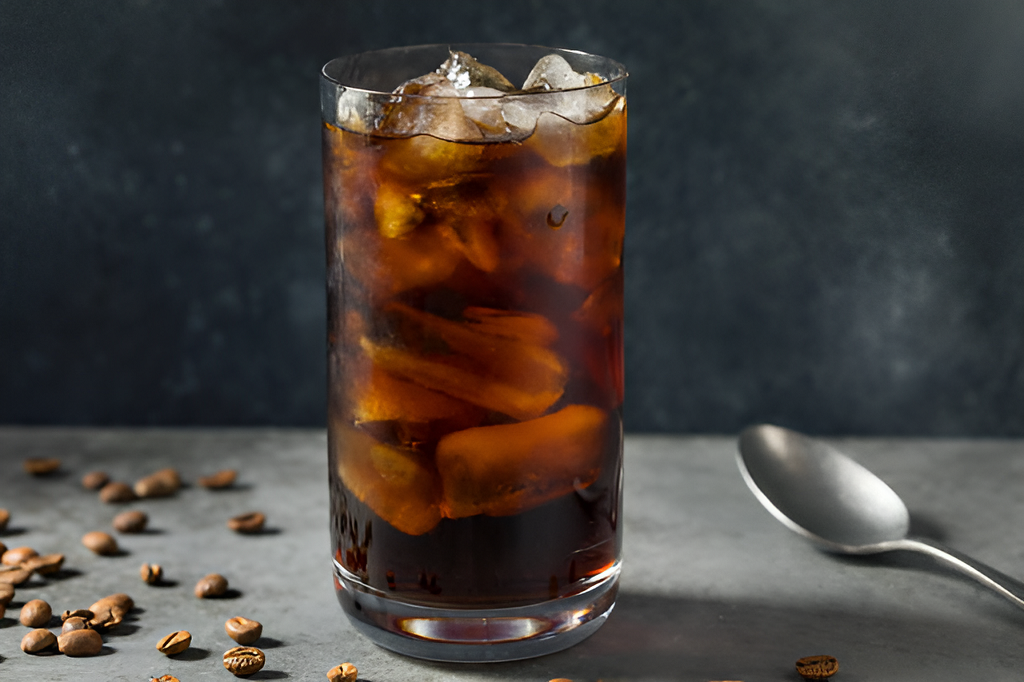

- Cold brew is made by steeping coarse coffee grounds in cold water for 12–24 hours, resulting in a smooth, less acidic flavor.
- Caffeine content in cold brew varies widely, typically 100–200 mg per 8 oz, depending on concentration, beans, and brewing method.
- Serving size and dilution significantly affect caffeine levels; concentrates can reach 200–300 mg per 12 oz, while diluted versions contain less.
- Factors that influence caffeine include coffee bean type (Robusta vs Arabica), grind size, steeping time, and water-to-coffee ratio.
- Cold brew can have more caffeine than espresso or hot coffee per serving, but it is smoother and less bitter in taste.
- Excessive consumption can cause jitters, insomnia, or increased heart rate; the recommended limit is around 400 mg per day for adults.
Cold brew coffee has skyrocketed in popularity over the past few years, and for good reason. Its smooth, mellow flavor and refreshing cold temperature make it perfect for warm days—or any day you want a caffeine boost without the harsh acidity of hot coffee. But if you’re wondering how much caffeine is in cold brew, you’re not alone. Many coffee enthusiasts are curious about how it compares to other coffee types, how brewing methods affect caffeine levels, and how to enjoy it safely.
In this guide, we’ll cover everything you need to know about cold brew caffeine content, from basic facts to tips on making your own strong, flavorful brew.
What Exactly Is Cold Brew Coffee?
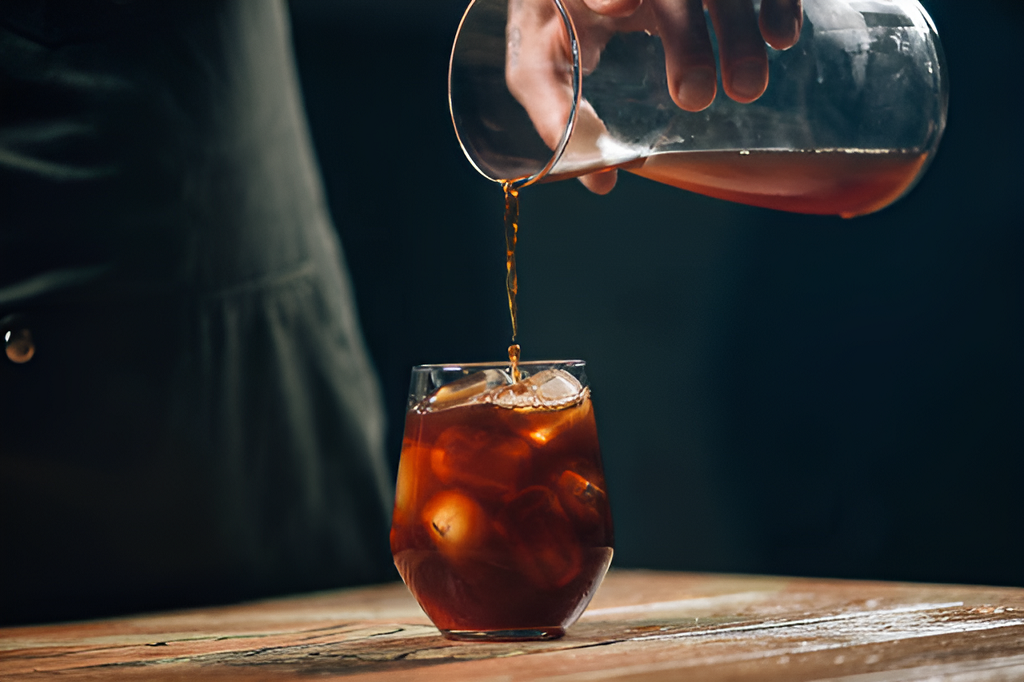
Cold brew is different from the traditional hot coffee you’re used to. Instead of using hot water to extract flavors and caffeine quickly, cold brew relies on cold water and a long steeping process. Here’s what makes it unique:
- Long steeping time: Typically 12–24 hours in the fridge.
- Coarse coffee grounds: Helps slow the extraction and reduce bitterness.
- Smooth flavor profile: Less acidic and more naturally sweet than hot brewed coffee.
Because of this slow extraction method, cold brew can have varying caffeine content depending on how it’s prepared.
How Much Caffeine Is in Cold Brew Compared to Other Coffee?
When people ask how much caffeine is in cold brew, they’re often thinking about strength and energy boost. Cold brew usually has more caffeine per ounce than standard hot coffee, but that doesn’t always mean it’s stronger in taste.
Here’s a quick comparison:
- Cold Brew Coffee: 100–200 mg per 8 oz (varies widely based on concentration)
- Drip Coffee: 80–120 mg per 8 oz
- Espresso: 63 mg per 1 oz shot
As you can see, cold brew can pack a serious caffeine punch, especially if served in large portions or in a concentrate form.
Does Serving Size Affect Cold Brew Caffeine Levels?
Absolutely. Cold brew is often served in different ways:
- Straight concentrate: Can be diluted, but a straight pour may contain 200–300 mg per 12 oz.
- Diluted with water or milk: Lowers the caffeine per serving but maintains flavor.
- Iced cold brew drinks from cafes: Often pre-diluted and may contain 150–200 mg per 12 oz.
Paying attention to serving size is key if you’re tracking your caffeine intake.
What Factors Influence Caffeine in Cold Brew?
Several factors determine how much caffeine ends up in your cup. These include:
- Coffee bean type: Robusta beans have nearly double the caffeine of Arabica beans.
- Grind size: Finer grinds can extract more caffeine, though coarse is preferred for smoothness.
- Steeping time: Longer steeping = more caffeine extracted.
- Water-to-coffee ratio: More coffee relative to water = stronger brew.
Cold Brew vs Hot Coffee: Which Is Stronger?
Many people wonder, is cold brew stronger than hot coffee? The answer depends on what you mean by “stronger.” Cold brew can be:
- Higher in caffeine per ounce if served as a concentrate, giving a bigger energy boost.
- Smoother in flavor because cold water extracts fewer acidic compounds, making it less bitter than hot coffee.
So while it may pack more caffeine, it won’t necessarily taste as bold or intense as a hot brewed coffee, which often has a sharper flavor profile.
How to Make Cold Brew at Home for Maximum Caffeine
Making cold brew at home is easy and allows you to control caffeine levels. Here’s a simple method:
Ingredients:
- 1 cup coarsely ground coffee
- 4 cups cold water
Instructions:
- Combine coffee and water in a large jar.
- Stir gently to ensure all grounds are wet.
- Cover and refrigerate for 12–24 hours.
- Strain through a fine mesh sieve or coffee filter.
- Dilute with water or milk as desired.
Tips for a stronger brew:
- Use a higher coffee-to-water ratio.
- Steep for closer to 24 hours.
- Choose a Robusta blend if you want more caffeine.
Can You Drink Too Much Cold Brew?
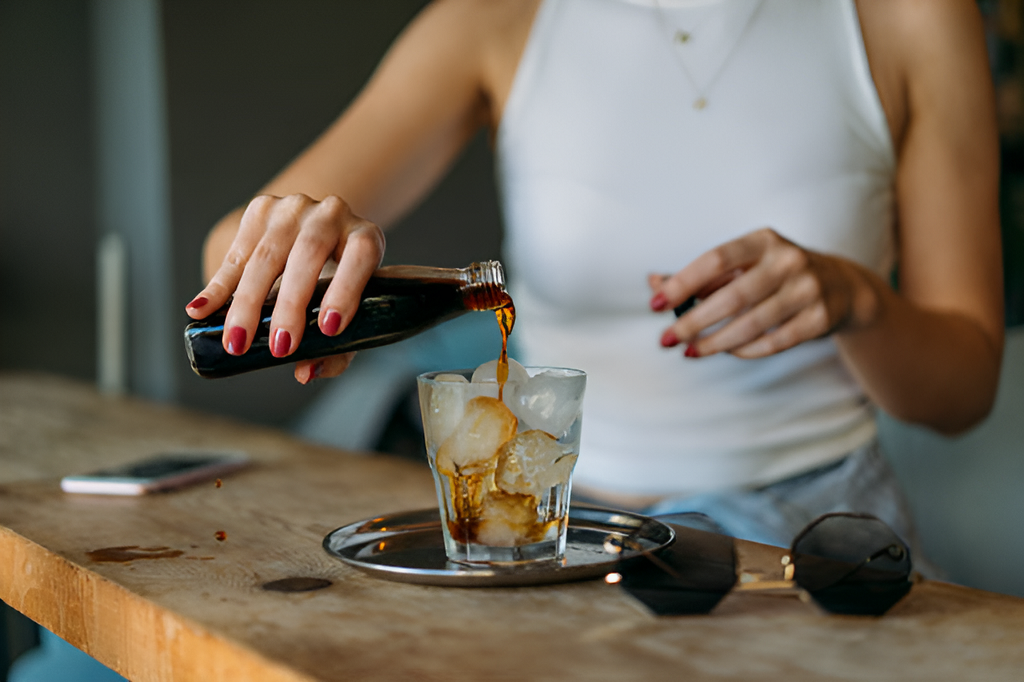
Yes. Like any caffeine source, cold brew can cause side effects if consumed excessively. Signs of too much caffeine include:
- Jitters or restlessness
- Trouble sleeping
- Increased heart rate
- Upset stomach
Most health experts recommend no more than 400 mg of caffeine per day for adults, which could be around two 16 oz servings of concentrated cold brew.
Cold Brew vs Espresso: Which Packs More Caffeine?
Many people assume espresso is the strongest coffee. In reality:
- A single 1 oz shot of espresso has about 63 mg caffeine.
- A 12 oz serving of cold brew concentrate can have 200–300 mg caffeine.
So, if you’re looking for a big caffeine hit, cold brew wins in volume, though espresso is stronger ounce-for-ounce.
Decoding Cold Brew Labels in Stores
Store-bought cold brew can be confusing. Labels often list:
- Total caffeine per serving (important for energy tracking)
- Concentration (some brands sell concentrates meant to be diluted)
- Serving size (don’t assume all bottles are 12 oz)
Always check the label to know how much caffeine you’re consuming.
Health Benefits of Cold Brew
While we’re talking caffeine, it’s worth noting that cold brew has some health perks:
- Lower acidity reduces stomach irritation
- Contains antioxidants like other coffee types
- Can improve alertness and focus
Remember, moderation is key to enjoying these benefits without negative side effects.
FAQs About Cold Brew Caffeine
Q: Does cold brew give you more energy than hot coffee?
A: Not necessarily. It depends on caffeine concentration and serving size.
Q: How long does cold brew caffeine stay in your system?
A: Caffeine half-life is about 5–6 hours, but it varies based on metabolism and sensitivity.
Q: Is decaf cold brew an option?
A: Yes. Decaf cold brew is made the same way but with decaffeinated beans. It still has a small amount of caffeine.
Final Thoughts
Understanding how much caffeine is in cold brew is essential for coffee lovers who want to enjoy a smooth, flavorful boost without surprises. From homemade batches to store-bought bottles, caffeine levels can vary widely depending on beans, grind, steeping time, and serving size. By paying attention to these factors, you can enjoy cold brew safely and find the perfect balance of flavor and energy.
Whether you’re a casual sipper or a daily cold brew enthusiast, this guide should help you navigate the world of cold brew caffeine confidently.