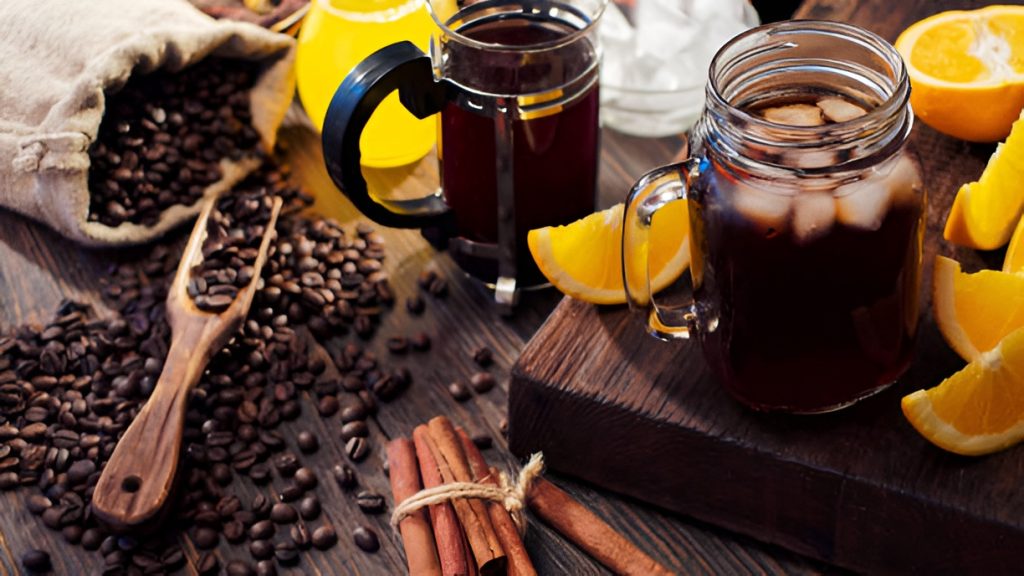

- Cold brew is smoother, less acidic, and less bitter than hot-brewed coffee, making it ideal for a refreshing, versatile drink.
- A French press simplifies cold brew by allowing easy steeping, filtering, and batch brewing without extra equipment.
- The standard ratio for cold brew with French press is roughly 1 cup of coarse coffee to 4 cups of cold water, steeped 12–24 hours depending on strength preference.
- Cold brew concentrate can be customized with milk, sweeteners, flavor infusions, or even used in cocktails and warm drinks.
- Common mistakes include using too fine a grind, over-steeping, hot water, or not cleaning the French press, which can affect flavor.
- Proper storage in a sealed container in the fridge allows cold brew to last up to 2 weeks, and freezing is an option for longer preservation.
- Experimenting with different beans, steeping times, and flavors allows you to create your ideal cup, making cold brew with French press versatile and personalized.
Cold brew coffee has taken the coffee world by storm. Unlike traditional hot-brewed coffee, cold brew is smooth, naturally sweet, and less acidic, making it a favorite for coffee enthusiasts everywhere. If you have a French press at home, you don’t need expensive equipment or fancy gadgets to make your own delicious cold brew. In this guide, we’ll break down everything you need to know to make cold brew with French press at home.
Why Choose Cold Brew Over Regular Coffee?
You might wonder why people learn how to make cold brew coffee instead of just brewing a hot cup of joe and cooling it down. Here’s what makes cold brew special:
- Lower acidity: Cold brewing extracts fewer bitter compounds, making your coffee smoother on the palate.
- Less bitterness: The slow brewing process minimizes the harsh, burnt flavors common in hot coffee.
- Versatile: Cold brew can be served cold, over ice, or even warmed up without losing its smooth flavor.
- Longer shelf life: Cold brew concentrate can last up to two weeks in the fridge.
Using a French press adds another layer of convenience because it allows for easy steeping and filtering without extra tools.
What You Need to Make Cold Brew with French Press
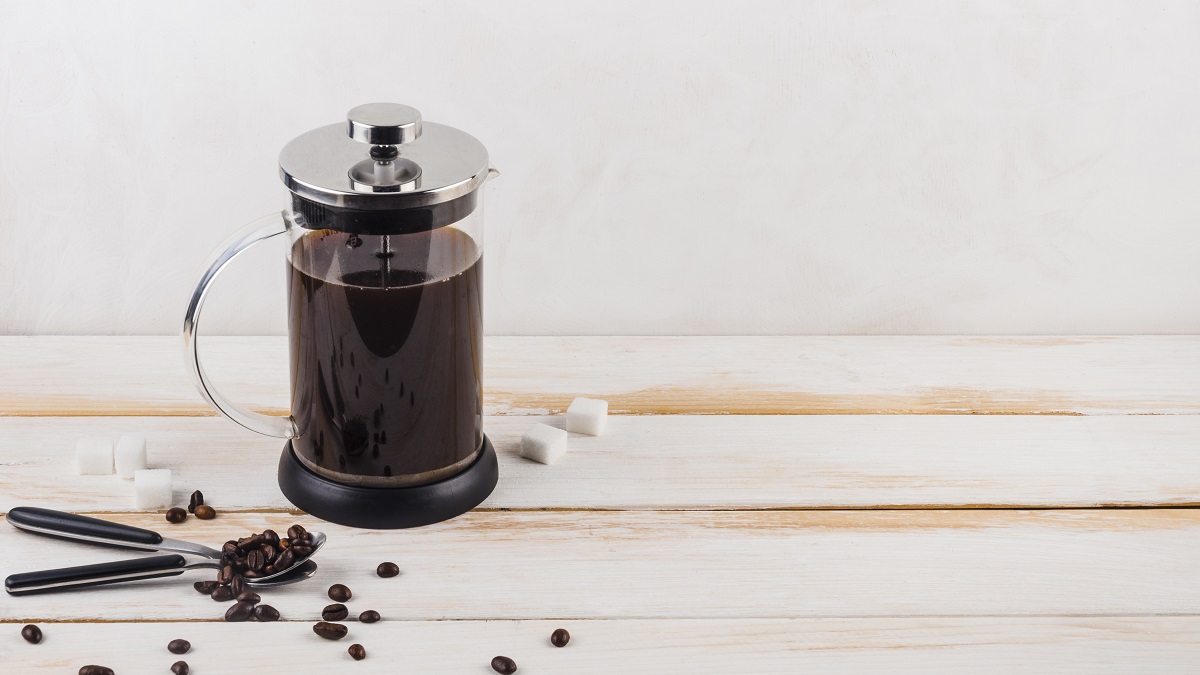
Before you dive in, it’s essential to gather all your ingredients and tools. Here’s a quick checklist:
- French press: Preferably 32 ounces or larger for batch brewing.
- Coarse coffee grounds: Medium-to-coarse grind works best to avoid over-extraction and sediment in your cup.
- Cold, filtered water: Fresh water ensures better taste.
- Measuring tools: A scale helps maintain consistency.
- Optional: Milk, sweeteners, or flavor syrups if you like your cold brew flavored.
Pro tip: Avoid pre-ground coffee that’s too fine. Fine grounds can slip through the French press filter and make your cold brew gritty.
How Much Coffee Should You Use?
A common question is: how much coffee do you need for cold brew with French press? A good starting point is:
- 1 cup of coarse coffee grounds (about 80–100 grams)
- 4 cups of cold water (about 1 liter)
This creates a standard cold brew concentrate. You can adjust the ratio depending on how strong you like your coffee. If you prefer a lighter brew, add more water after steeping.
Step-by-Step Guide to Making Cold Brew with French Press
Making cold brew with a French press is straightforward. Here’s a simple process:
- Add coffee to French press: Use coarse grounds for a smoother brew.
- Pour in cold water: Slowly add water to avoid dry pockets. Stir gently to ensure all grounds are saturated.
- Cover and steep: Put the lid on and leave it in the fridge for 12–24 hours. Longer steeping results in stronger flavor.
- Press and filter: After steeping, slowly press the plunger down to separate the grounds from the liquid.
- Store or serve: Pour the cold brew into a separate container. Serve over ice, dilute with water or milk, or enjoy as is.
How Long Should Cold Brew Steep?
Steeping time is a crucial factor in cold brew flavor. Here’s a guideline:
- 12 hours: Mild, light flavor.
- 16 hours: Balanced, standard cold brew taste.
- 24 hours: Strong, robust concentrate (may require dilution).
Experiment with steeping time to find your ideal flavor profile. Remember, the French press allows for easy experimentation without complicated equipment.
Can You Make Cold Brew Fast?
One of the benefits of cold brew is that it doesn’t require constant attention, but some people want faster results. Cold brew needs time for extraction, so speeding it up can compromise taste. If you’re in a hurry, try these tips:
- Use slightly warmer water (room temperature) to extract flavors faster.
- Use a finer grind, but beware of a gritty texture.
- Reduce steeping to 8–10 hours if necessary, though flavor will be lighter.
Storing Cold Brew: How Long Does It Last?
Cold brew can last longer than traditional brewed coffee because it’s kept cold and unoxidized. Here’s what to keep in mind:
- Refrigeration: Store in a sealed container for up to 2 weeks.
- Freezing: You can freeze cold brew in ice cube trays for later use, though some flavor may be lost.
- Serving tips: Keep your concentrate separate from water or milk until serving to maintain flavor and strength.
How to Customize Your Cold Brew
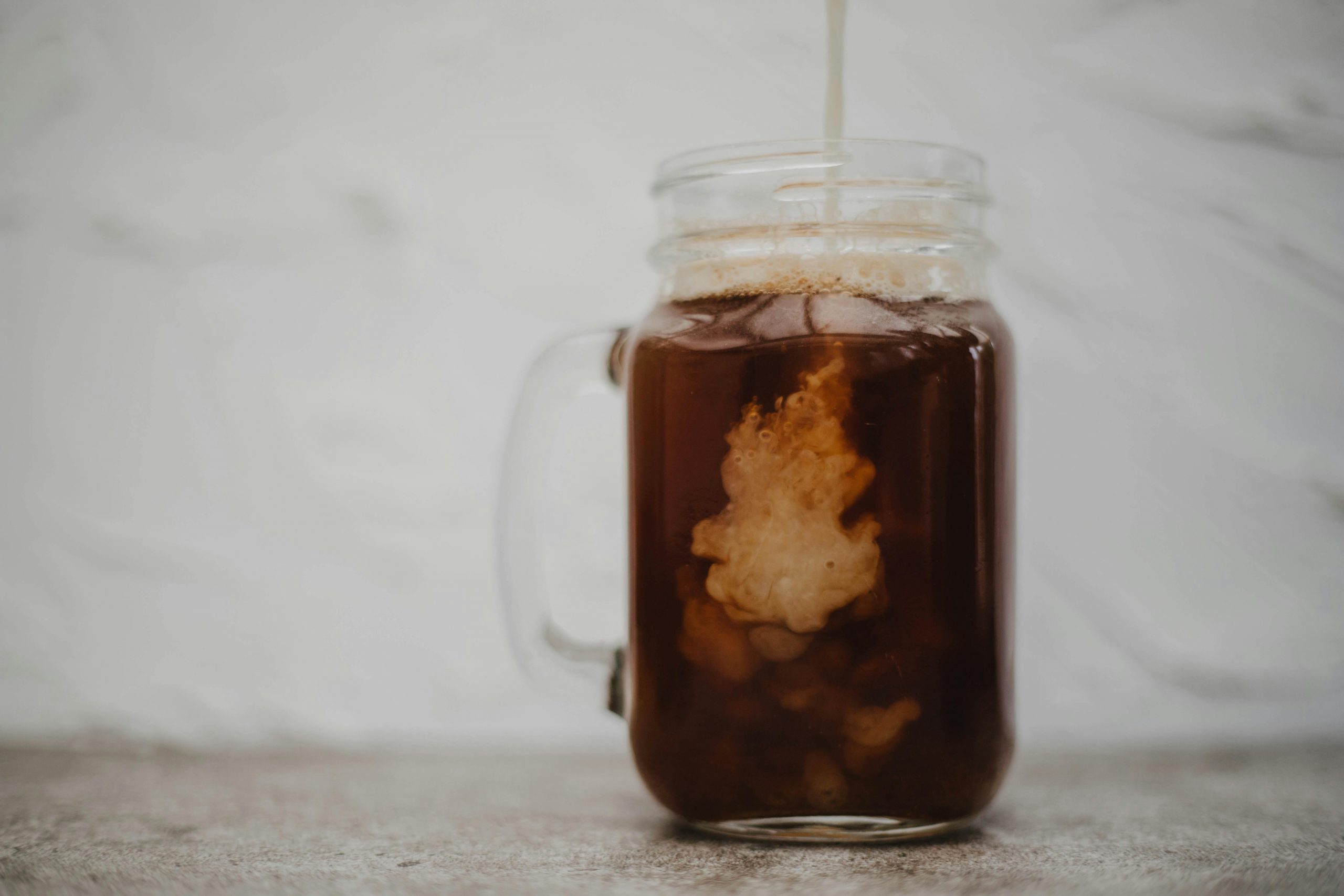
Cold brew is a blank canvas for coffee lovers. Here are ways to make it uniquely yours:
- Milk or cream: Dairy or plant-based milk adds richness.
- Sweeteners: Syrups, honey, or sugar can balance bitterness.
- Flavor infusions: Vanilla beans, cinnamon sticks, or cocoa nibs added during steeping create interesting flavors.
- Cocktails or mocktails: Cold brew is great in coffee-based cocktails or iced beverages.
Common Mistakes to Avoid
Even though making cold brew with French press is easy, beginners often make mistakes. Here’s what to watch out for:
- Using too fine a grind: Leads to muddy or gritty coffee.
- Steeping too long: Can over-extract, causing bitterness.
- Using hot water: Cold brew should be steeped in cold water to maintain smoothness.
- Not cleaning your French press properly: Coffee oils and residue can affect taste.
How to Make Cold Brew Less Bitter
Even cold brew can taste bitter if over-extracted. Here’s how to keep it smooth:
- Use fresh, high-quality coffee beans.
- Stick to coarse grind size to prevent over-extraction.
- Avoid steeping longer than 24 hours.
- Dilute your concentrate with water or milk before drinking.
Can You Use Any Coffee Bean?
Yes, but the flavor will vary. Here’s what works best:
- Light roast: Fruity, floral notes.
- Medium roast: Balanced, classic coffee flavor.
- Dark roast: Bold, chocolatey flavor.
Experiment with different beans and blends until you find your favorite. Cold brew with French press brings out subtle flavors that might be missed in hot brewing.
Is Cold Brew with French Press Stronger Than Regular Coffee?
Cold brew is typically made as a concentrate, so yes, it can be stronger than hot coffee if undiluted. That said, most people dilute their cold brew with water, milk, or ice. Strength depends on:
- Coffee-to-water ratio
- Steeping time
- Bean roast level
Serving Ideas for Cold Brew with French Press
Cold brew isn’t just a drink; it’s a base for many coffee creations. Try these:
- Iced latte: Mix cold brew with milk over ice.
- Mocha cold brew: Add chocolate syrup and milk.
- Vanilla cream cold brew: Sweetened condensed milk or cream with vanilla extract.
- Cocktails: Combine with spirits like whiskey or coffee liqueur for a refreshing coffee cocktail.
Can You Make Hot Coffee from Cold Brew?
Yes! Cold brew isn’t just for cold beverages. To enjoy it warm:
- Heat the concentrate gently on the stove or microwave.
- Dilute with hot water or milk for desired strength.
- Avoid boiling as it can alter flavor.
Cleaning Your French Press
After enjoying your homemade cold brew, cleaning your French press is important:
- Disassemble the plunger and mesh filter.
- Rinse all components with warm water.
- Use mild soap if needed.
- Dry completely before storing to prevent mold or stale flavors.
Quick Tips for Perfect Cold Brew Every Time
- Consistency matters: Measure coffee and water precisely.
- Experiment: Adjust steeping time and grind for personal taste.
- Store correctly: Keep in airtight containers in the fridge.
- Use high-quality beans: Fresh coffee makes all the difference.
Why French Press Is Ideal for Cold Brew
Many people wonder if a French press is really the best tool for cold brew. Here’s why it works:
- Simple design: Steeping and pressing are all-in-one.
- No extra filters needed: Saves time and reduces waste.
- Flexible size: Brew small or large batches easily.
- Easy cleanup: Most French presses disassemble quickly for cleaning.
Experimenting with Cold Brew Flavors
Cold brew opens a world of experimentation. Here are some ideas:
- Citrus twist: Add orange or lemon peel during steeping.
- Spiced cold brew: Cinnamon, nutmeg, or cardamom.
- Herbal infusion: Mint, rosemary, or lavender for a refreshing twist.
- Sweetened concentrate: Add sugar or syrups before storing for ready-to-drink coffee.
FAQs About Cold Brew with French Press
Q: How long can I keep cold brew in the fridge?
A: Up to 2 weeks in a sealed container.
Q: Can I use hot water for a faster brew?
A: It’s not recommended. Cold water is key to smooth, low-acid coffee.
Q: Can I make a single cup in a French press?
A: Yes, just adjust the coffee-to-water ratio accordingly.
Q: Can I reuse the coffee grounds?
A: It’s possible but will produce a weak, flavorless brew. Fresh grounds are best.
Q: Do I need to filter after pressing?
A: Not usually. French press filters most grounds, but for an extra smooth cup, pour through a fine mesh sieve.
In a Nutshell
Making cold brew with French press at home is simple, customizable, and rewarding. With just a few ingredients, some patience, and a French press, you can create a smooth, flavorful coffee concentrate that lasts all week. Experiment with beans, steeping times, and flavor additions to find your perfect cup. Whether served cold over ice or gently warmed for a cozy morning, cold brew with French press is a versatile and delicious coffee solution.