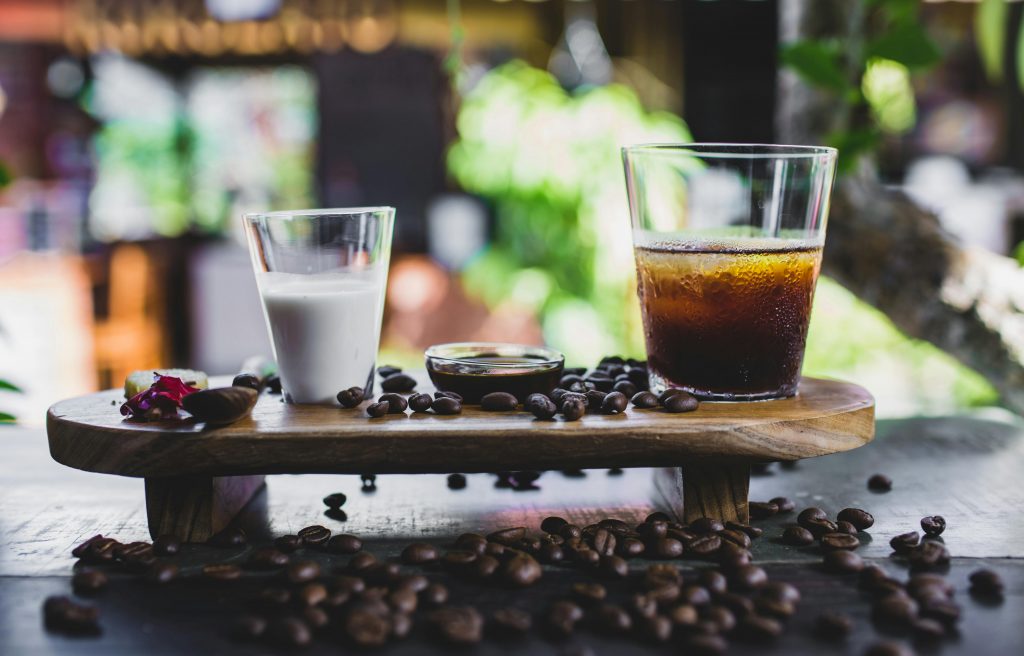

- Cold brew coffee is brewed with cold or room-temperature water over 12–24 hours, producing a smooth, naturally sweeter, and less acidic coffee compared to hot-brewed or iced coffee.
- Medium to dark roast coffee beans, coarsely ground, yield the best flavor for cold brew and prevent bitterness or cloudiness.
- The coffee-to-water ratio determines whether you make a concentrate (strong, to dilute later) or ready-to-drink cold brew; a 1:4 ratio makes concentrate, and 1:8 makes a lighter brew.
- Cold brew can be made with simple kitchen tools like a mason jar, pitcher, or French press—special equipment is optional.
- Flavor can be customized during brewing (spices, citrus, cocoa) or after brewing (milk, sweeteners, syrups), allowing for twists and seasonal variations.
- Common mistakes include weak, bitter, or cloudy brews, which can be fixed by adjusting grind size, steep time, coffee ratios, or straining method.
- Properly stored cold brew lasts 3–7 days in the fridge, can be served over ice or heated gently, and often contains higher caffeine than standard coffee depending on concentration.
Cold brew coffee has gone from a café novelty to a staple in home kitchens—and for good reason. It’s smooth, refreshing, less acidic than hot coffee, and surprisingly easy to make once you understand the basics. If you’ve ever wondered how to make cold brew coffee that actually tastes good (not watery, bitter, or muddy), this complete guide walks you through every step, from choosing the right beans to pouring the perfect glass.
Whether you’re brand new to cold brew or looking to refine your method, this pillar guide covers everything you need to know in one place.
What Is Cold Brew Coffee, Exactly?
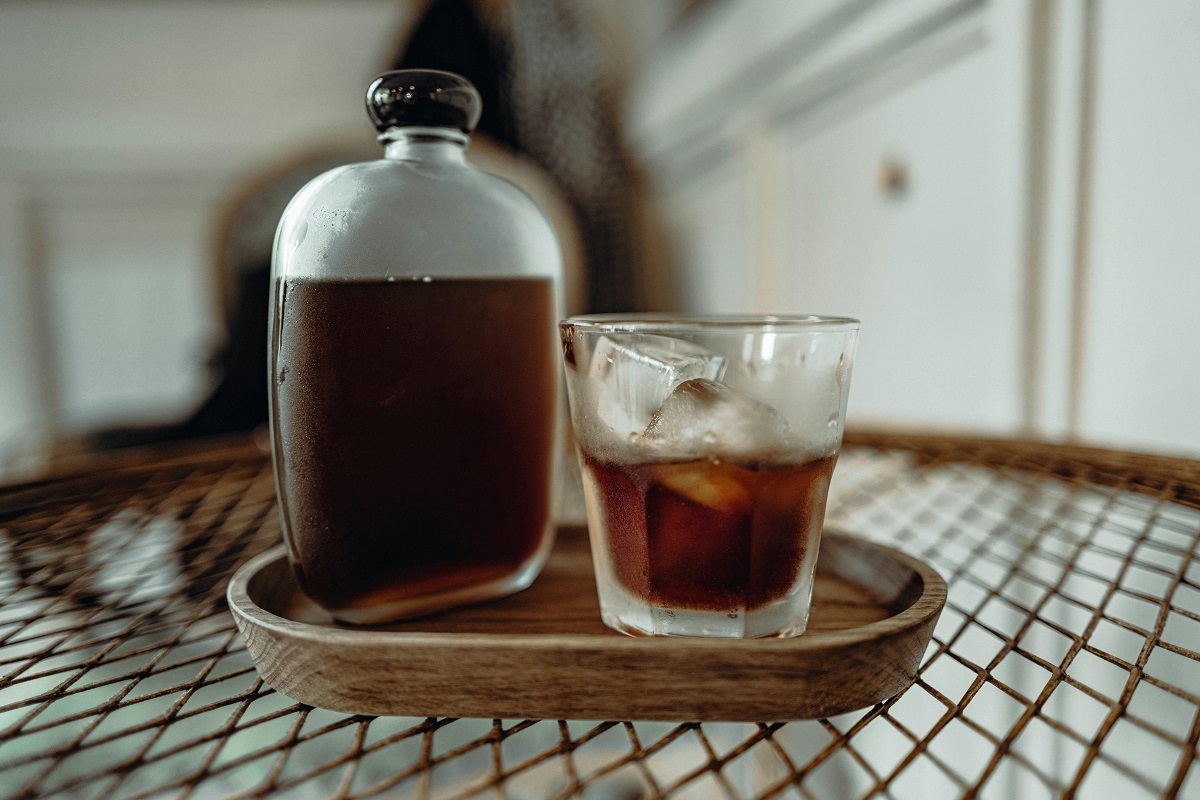
Cold brew coffee is coffee that’s brewed using cold or room-temperature water over an extended period of time, usually 12 to 24 hours. Unlike iced coffee, which is hot-brewed coffee poured over ice, cold brew is never exposed to heat during the brewing process.
That slow, cold extraction is what gives cold brew its signature characteristics:
- Smooth, mellow flavor
- Lower acidity
- Naturally sweeter taste
- Strong, concentrated base that can be diluted
Understanding this difference is key to learning how to make cold brew coffee properly.
Why Make Cold Brew Coffee at Home?
Buying cold brew from a café adds up fast. Making it yourself is cheaper, more customizable, and surprisingly low-effort.
Here are a few reasons people switch to homemade cold brew:
- You control the strength and flavor
- It’s significantly less expensive per cup
- You can brew in large batches
- It keeps well in the fridge for days
- You can experiment with beans, roasts, and flavors
Once you dial in your preferred method, cold brew becomes one of the easiest coffee routines you can maintain.
What You Need to Make Cold Brew Coffee
One of the biggest myths about cold brew is that you need special equipment. You don’t. While dedicated cold brew makers are convenient, they’re optional.
Basic Ingredients
You only need two things:
- Coffee beans
- Water
That’s it.
Optional Equipment
Depending on what you already have, you can use:
- A mason jar or large glass jar
- A French press
- A cold brew coffee maker
- A large pitcher
- A fine-mesh strainer
- Cheesecloth or coffee filters
The simplicity of the setup is one reason learning how to make cold brew coffee feels approachable for beginners.
Choosing the Right Coffee Beans
The beans you choose will shape the final flavor more than almost anything else.
What Roast Is Best for Cold Brew Coffee?
Medium and dark roasts are the most popular choices for cold brew because they produce:
- Chocolatey notes
- Nutty flavors
- Smooth, rich finishes
Light roasts can work, but they tend to highlight fruity or acidic notes that some people find too sharp in cold brew.
If you’re just starting out, go with a medium roast.
Whole Beans vs Pre-Ground Coffee
Whole beans are always better if you can grind them yourself. Fresh grinding improves flavor and aroma. That said, pre-ground coffee labeled “coarse grind” can still produce good results.
Avoid finely ground coffee—it will make your cold brew cloudy and bitter.
Best Grind Size for Cold Brew
Cold brew requires a coarse grind, similar to raw sugar or sea salt.
A coarse grind:
- Prevents over-extraction
- Makes straining easier
- Produces a smoother taste
This is a critical detail when learning how to make cold brew coffee that doesn’t taste harsh.
Water Matters More Than You Think
Because cold brew coffee is mostly water, the quality of your water matters.
Use:
- Filtered water if possible
- Cold or room-temperature water
- Neutral-tasting water (not heavily mineralized)
Avoid distilled water, which can make coffee taste flat.
Coffee-to-Water Ratios Explained
One of the most confusing parts of how to make cold brew coffee is getting the ratio right. The ratio determines whether you’re making cold brew concentrate or ready-to-drink coffee.
Cold Brew Concentrate Ratio
- 1 cup coarsely ground coffee
- 4 cups water
This produces a strong concentrate that you dilute later with water, milk, or ice.
Ready-to-Drink Cold Brew Ratio
- 1 cup coarsely ground coffee
- 8 cups water
This creates a lighter brew you can drink straight from the fridge.
If you’re unsure which to choose, start with concentrate—it gives you more flexibility.
How to Make Cold Brew Coffee Step by Step
Here’s a simple, reliable method that works with basic kitchen tools.
Step 1: Measure and Grind the Coffee
Measure your coffee beans according to your desired ratio. Grind them coarsely.
Step 2: Combine Coffee and Water
Add the ground coffee to your jar, pitcher, or French press. Pour cold or room-temperature water over the grounds.
Stir gently to ensure all grounds are saturated.
Step 3: Cover and Steep
Cover the container and let it steep:
- At room temperature or in the fridge
- For 12 to 24 hours
Shorter steep times produce lighter, brighter coffee. Longer steep times create bolder, stronger flavors.
Step 4: Strain the Coffee
Strain the coffee slowly using:
- A fine-mesh strainer
- Coffee filter
- Cheesecloth
- French press plunger
If the brew looks cloudy, strain it a second time.
Step 5: Store and Serve
Transfer the cold brew to a clean container and store it in the fridge.
Cold brew typically stays fresh for:
- Up to 7 days for concentrate
- 3 to 5 days for ready-to-drink versions
How Long Should Cold Brew Steep?
Steeping time directly affects flavor.
Here’s a general guide:
- 12 hours: Lighter, smoother, slightly sweeter
- 16 hours: Balanced and full-bodied
- 24 hours: Strong, bold, and concentrated
Over-steeping can lead to bitterness, even with cold water, so avoid going beyond 24 hours.
Should You Brew Cold Brew in the Fridge or at Room Temperature?
Both methods work, but they produce slightly different results.
Room Temperature Brewing
- Faster extraction
- Slightly bolder flavor
- Ideal if your kitchen isn’t too warm
Refrigerator Brewing
- Slower extraction
- Extra smooth taste
- Less risk of over-extraction
If you’re new to how to make cold brew coffee, refrigerator brewing is more forgiving.
How to Serve Cold Brew Coffee
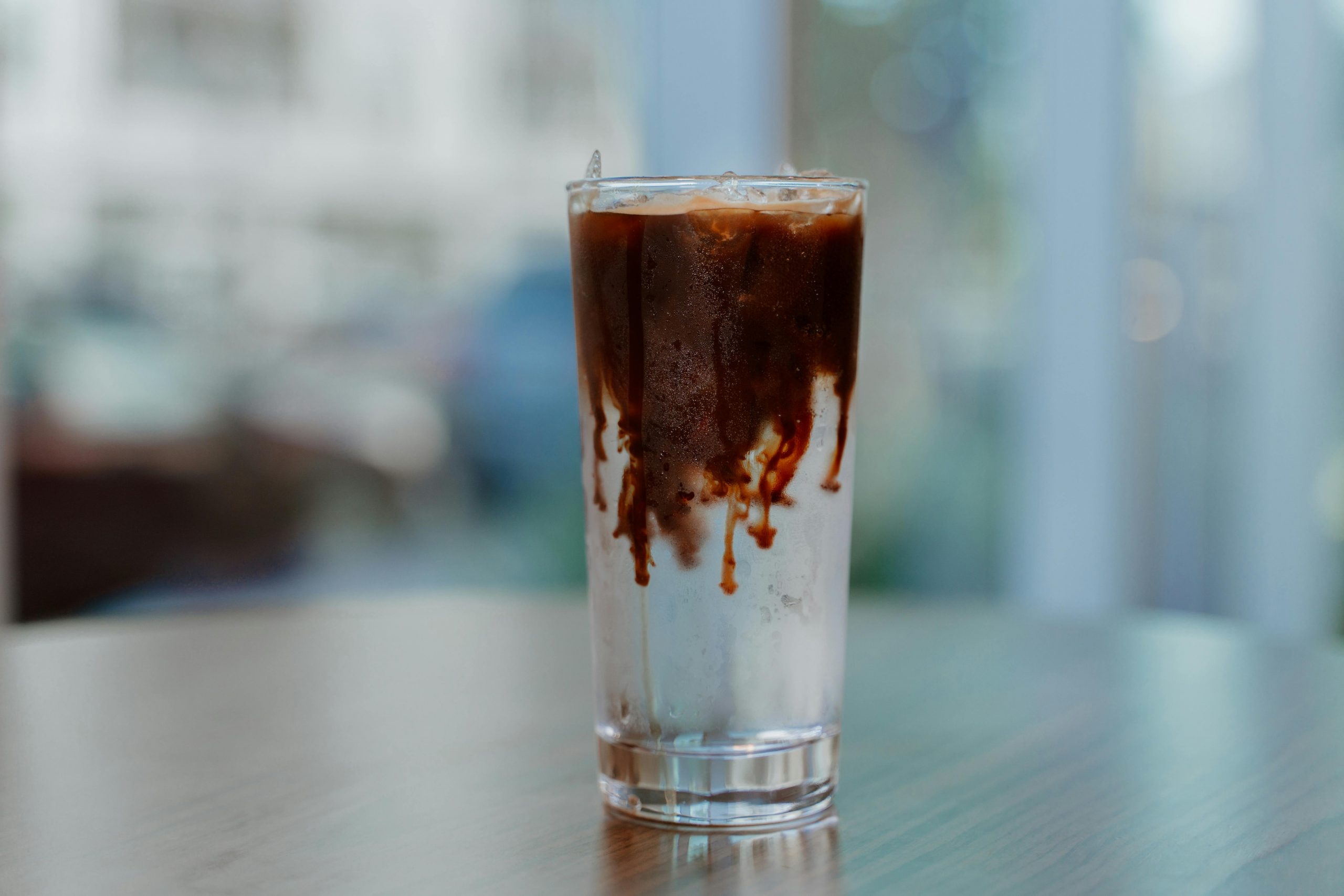
Cold brew is versatile and easy to customize.
Diluting Cold Brew Concentrate
Most people dilute concentrate using:
- 1:1 coffee to water
- 1:1 coffee to milk
- A mix of water and milk
Adjust to taste.
Serving Ideas
- Over ice
- With milk or cream
- With oat, almond, or soy milk
- As a base for iced lattes
- Mixed with vanilla syrup or simple syrup
Cold Brew With a Twist: Simple Add-Ins and Variations
Once you’ve mastered how to make cold brew coffee, experimenting with add-ins and variations is an easy way to keep things interesting. You don’t need complicated recipes or specialty syrups—small changes can completely transform the flavor and feel of your cold brew.
Add Flavor During the Brewing Process
Infusing flavor while the coffee steeps creates subtle, well-balanced results. Because cold brew extracts slowly, a little goes a long way.
Popular brewing add-ins include:
- Cinnamon sticks for warmth and mild sweetness
- Vanilla bean (split lengthwise) for smooth, aromatic notes
- Cocoa nibs for a light chocolate flavor
- Orange or lemon peel for a bright citrus twist
- Cardamom pods for a lightly spiced, café-style profile
Add these directly to the coffee grounds before pouring in the water. Avoid ground spices, which can be difficult to strain and may overpower the brew.
Sweeten Without Overpowering the Coffee
Cold brew is naturally less bitter, so it often needs less sweetener than hot coffee. If you prefer a touch of sweetness, choose options that dissolve well in cold liquids.
Simple sweetener ideas:
- Simple syrup (equal parts sugar and water, heated and cooled)
- Honey or agave syrup
- Maple syrup for a deeper, richer sweetness
- Brown sugar syrup for caramel-like notes
Add sweeteners after brewing so you can adjust the flavor gradually.
Upgrade With Milk and Cream Variations
Milk choices can completely change the character of cold brew coffee.
Popular pairings include:
- Whole milk for a classic, creamy texture
- Half-and-half for a richer mouthfeel
- Oat milk for a naturally sweet, smooth finish
- Almond milk for a lighter, nutty taste
- Coconut milk for a subtle tropical twist
You can also create a simple cold foam by shaking milk or cream in a jar and spooning it over iced cold brew.
Try Spiced and Seasonal Twists
Cold brew isn’t just a summer drink. Small seasonal tweaks make it enjoyable year-round.
Seasonal ideas to try:
- Fall: cinnamon, nutmeg, or pumpkin spice blend
- Winter: vanilla, cocoa, or a splash of warmed milk
- Spring: citrus zest or floral notes like lavender
- Summer: mint leaves or a splash of coconut milk
These additions work best when kept subtle, letting the coffee remain the star.
Turn Cold Brew Into a Coffeehouse-Style Drink
With a few simple extras, homemade cold brew can rival café drinks.
Easy upgrades include:
- Vanilla cold brew with milk and ice
- Sweet cream cold brew using lightly sweetened cream
- Mocha cold brew with cocoa powder and simple syrup
- Cold brew latte made with concentrate and milk
- Iced cold brew with a flavored foam topping
Using cold brew concentrate makes it easier to customize strength and flavor without watering down the drink.
Keep It Balanced
The key to cold brew with a twist is balance. Too many add-ins can mask the natural flavor of the coffee. Start with small amounts, taste as you go, and adjust gradually.
Is Cold Brew Coffee Less Acidic?
Yes. Cold brew coffee is generally less acidic than hot-brewed coffee.
The cold extraction process pulls fewer acidic compounds from the coffee grounds. This makes cold brew:
- Easier on sensitive stomachs
- Less likely to cause acid reflux
- Smoother on the palate
If acidity bothers you, learning how to make cold brew coffee can be a game changer.
Cold Brew vs Iced Coffee: What’s the Difference?
These two drinks are often confused, but they’re not the same.
Cold brew coffee:
- Brewed cold
- Steeped for hours
- Smooth and low-acid
Iced coffee:
- Brewed hot
- Cooled with ice
- Retains acidity
If you prefer bold yet smooth coffee, cold brew is the better option.
Common Cold Brew Mistakes (and How to Fix Them)
Even simple recipes can go wrong. Here are common issues and solutions.
Cold Brew Tastes Weak
Possible causes:
- Too much water
- Not enough coffee
- Short steep time
Fix:
- Increase coffee ratio
- Steep longer
- Use concentrate and dilute later
Cold Brew Tastes Bitter
Possible causes:
- Grind too fine
- Steeped too long
- Low-quality beans
Fix:
- Use coarse grind
- Reduce steep time
- Switch to a medium roast
Cold Brew Is Cloudy
Possible causes:
- Fine coffee particles
- Inadequate straining
Fix:
- Double strain
- Use a paper filter for final pass
How Long Does Cold Brew Coffee Last?
Properly stored cold brew lasts longer than hot coffee.
General guidelines:
- Concentrate: up to 7 days refrigerated
- Ready-to-drink: 3–5 days refrigerated
Always store cold brew in an airtight container to preserve flavor.
Can You Heat Cold Brew Coffee?
Yes. Cold brew can be served hot if you prefer.
To heat it:
- Dilute concentrate first
- Warm gently on the stove or microwave
- Avoid boiling, which can alter flavor
This makes cold brew a year-round option.
How Much Caffeine Is in Cold Brew Coffee?
Cold brew often has more caffeine per serving than regular coffee, especially if consumed as concentrate.
Factors affecting caffeine content:
- Coffee-to-water ratio
- Bean type
- Serving size
If you’re sensitive to caffeine, dilute more heavily or drink smaller portions.
Making Cold Brew Without Special Equipment
You don’t need fancy tools to master how to make cold brew coffee.
Mason Jar Method
- Add coffee and water to a jar
- Steep
- Strain through a filter
French Press Method
- Brew directly in the press
- Plunge and pour
Pitcher Method
- Brew in a large pitcher
- Strain in batches
All methods work equally well.
Is Cold Brew Coffee Worth It?
For many people, the answer is yes.
Cold brew offers:
- Convenience
- Smooth flavor
- Lower acidity
- Customization
- Cost savings
Once you’ve learned how to make cold brew coffee at home, it’s hard to go back to store-bought versions.
Final Thoughts
Cold brew coffee isn’t complicated—it just rewards patience and attention to a few key details. With the right beans, a coarse grind, clean water, and enough steeping time, you can consistently make café-quality cold brew at home.
This complete guide gives you everything you need, from understanding ratios and brewing methods to fixing common mistakes and customizing flavor. Once you’ve dialed in your process, cold brew becomes one of the most reliable and enjoyable ways to drink coffee.
Now that you know how to make cold brew coffee from beans to brew, the only thing left to do is start steeping.